Discovering Wildlife Watching at Loch Lomond and The Trossachs National Park
- marcinmielczarek
- Jan 22
- 5 min read
Updated: Jun 16
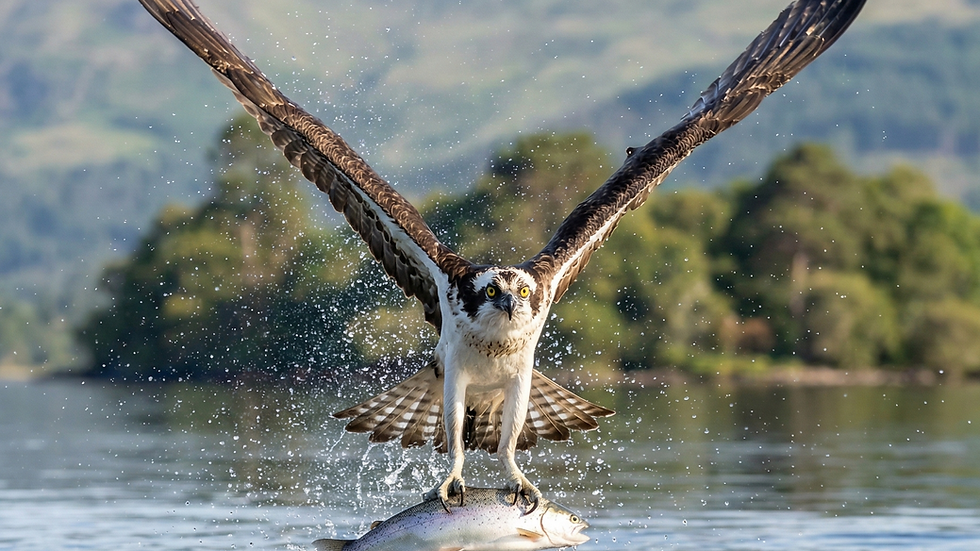
The haunting roar of a red deer stag echoes across misty glens. A flash of russet fur spirals up an ancient Scots pine. The splash of an osprey plunges talons-first into crystal waters. These moments make wildlife watching around Loch Lomond truly unforgettable.
Loch Lomond and The Trossachs National Park sits at a remarkable geological crossroads where the Scottish Lowlands meet the Highlands. This collision of landscapes creates an extraordinary diversity of habitats, from ancient Atlantic oak woodlands to windswept mountain peaks. It makes this area one of Britain's finest wildlife destinations. Finnich Cottages enjoys an exceptional location on the edge of this National Park, placing guests within easy reach of all the best wildlife watching spots.
Why Visit Loch Lomond for Wildlife
The Highland Boundary Fault running through this region creates what ecologists call an "edge effect." This is a meeting point of different ecosystems that supports remarkable biodiversity. Within the National Park boundaries, you might encounter everything from Britain's largest land mammal to one of Europe's healthiest otter populations.
Scotland holds approximately 75% of the UK's remaining red squirrel population. The Trossachs woodlands are a vital stronghold for these charismatic creatures. Meanwhile, the clean lochs and rivers support species that have vanished from much of England. Ospreys migrate thousands of miles from West Africa each spring to breed here.
Whether you're an experienced wildlife photographer or simply hoping to spot your first golden eagle, this corner of Scotland delivers experiences that stay with you long after you return home.
Wildlife Watching Opportunities
Red Squirrel Watching
The Lodge Forest Visitor Centre near Aberfoyle offers one of Scotland's best red squirrel experiences. A dedicated wildlife hide allows close-up views of these endangered natives as they feed and play among the pines. The centre also features live camera feeds showing woodland birds and recorded footage of local birds of prey. Early morning visits yield the best sightings when the squirrels are most active. Autumn is particularly rewarding as they frantically cache nuts for winter.

Red Deer Spotting
Britain's largest land mammal roams freely across the National Park. Glen Finglas and the slopes around Ben Lomond host large herds, often seen as silhouettes against the ridgeline at dawn and dusk. October brings the rutting season when stags fill the glens with deep, prehistoric roars—a sound that raises the hairs on the back of your neck.

Osprey Viewing
These magnificent fish-eating raptors return from Africa each April. RSPB Scotland Loch Lomond reserve near Gartocharn offers summer visitors the chance to watch ospreys hunting over the Endrick Mouth. The drama of an osprey plunging feet-first into the loch and rising with a salmon in its talons is genuinely thrilling.
Otter Encounters
The clean rivers and quieter loch bays support one of Europe's healthiest otter populations. Dawn visits to the River Teith or secluded Loch Lomond bays offer the best chances. Look for V-shaped wakes moving against the current or disturbances in still water.

Seasonal Spectacles
Winter brings thousands of geese from Greenland and Iceland to roost at Loch Lomond. Watching skeins of Greenland white-fronted geese and pink-footed geese arriving at sunset creates memories to last a lifetime. Spring carpets the woodland floors with bluebells while migrant songbirds fill the air with music.
Practical Information
RSPB Scotland Loch Lomond
Located at Gartocharn on the A811, approximately 10 minutes drive from Finnich Cottages. The Nature Hub opens 10 AM to 4 PM daily, while trails are accessible seven days a week. Car parking charges apply: non-members pay £3 for the first hour plus £1 for each additional hour, with RSPB members parking free. Facilities include accessible toilets, baby changing, and wheelchair-friendly trails to stunning viewpoints overlooking Ben Lomond.
The Lodge Forest Visitor Centre
Situated one mile north of Aberfoyle on the A821 (Duke's Pass), roughly 20 minutes from Finnich Cottages. The visitor centre opens 10 AM to 4 PM with parking available (charges apply - approximately £3 all day). The Red Squirrel Hide sits along an accessible trail from the centre. Multiple walking routes range from gentle half-mile wanders to challenging four-mile treks through Queen Elizabeth Forest Park.
Best Times to Visit
Spring (April to May) brings returning migrants including ospreys, redstarts, and wood warblers, plus carpets of bluebells in the ancient woodlands.
Summer (June to August) offers long daylight hours for wildlife watching, wildflower meadows buzzing with butterflies, and osprey chicks being raised at their loch-side nests.
Autumn (September to November) delivers the dramatic red deer rut, busy red squirrels caching food, and the first arriving geese from the Arctic.
Winter (December to March) sees thousands of wintering waterfowl, spectacular goose roosts, and easier deer spotting on bare hillsides.
Dawn and dusk consistently offer the best wildlife encounters across all seasons. Many species rest during the middle of the day, so early risers are rewarded most richly.
Perfect Base for Exploration
Finnich Cottages is located within easy reach of all the major wildlife watching destinations around Loch Lomond. RSPB Scotland Loch Lomond lies just 10 minutes away by car, while The Lodge Forest Visitor Centre at Aberfoyle is approximately 20 minutes drive. This central position within the National Park allows guests to explore different habitats across multiple days without lengthy travel.
The cottages themselves offer spectacular views across 13 miles of countryside to Ben Lomond, providing wildlife watching opportunities from the comfort of your own accommodation. The private 220-acre Finnich Estate features woodland walks where roe deer, buzzards, and numerous bird species are regularly spotted.
After a dawn start at a wildlife hide, returning to the comfort of luxury self-catering accommodation makes the experience even more rewarding. Fully equipped kitchens allow guests to prepare meals around unpredictable wildlife schedules, while cosy living spaces provide welcome warmth after chilly morning vigils.
Combining wildlife watching with visits to nearby attractions like Glengoyne Distillery (just 3 miles away), the charming village of Drymen, or the famous West Highland Way creates a varied and memorable Scottish break.
Plan Your Wildlife Watching Adventure
The wildlife of Loch Lomond and The Trossachs represents some of Scotland's most precious natural heritage. From the majestic red deer that embody Highland wilderness to the red squirrels fighting for survival in their final British stronghold, each encounter connects you to something ancient and important.
Pack your binoculars, set your alarm for dawn, and prepare for moments that will stay with you forever. Finnich Cottages provides the perfect base for discovering the wild heart of Scotland's first National Park.
Additional Tips for Wildlife Watching
Be Patient: Wildlife watching requires patience. Animals may not appear immediately, so take your time and enjoy the surroundings.
Stay Quiet: Keep noise to a minimum to avoid scaring away wildlife. Whispering and soft movements can help you get closer to animals.
Dress Appropriately: Weather in Scotland can change quickly. Dress in layers and wear sturdy footwear for walking in various terrains.
Use Binoculars: A good pair of binoculars can enhance your experience, allowing you to see animals up close without disturbing them.
Respect Nature: Always follow local guidelines and respect wildlife habitats. Leave no trace and take your rubbish with you.
With these tips in mind, you’re ready to embark on an unforgettable wildlife adventure in Loch Lomond and The Trossachs National Park.


Comments